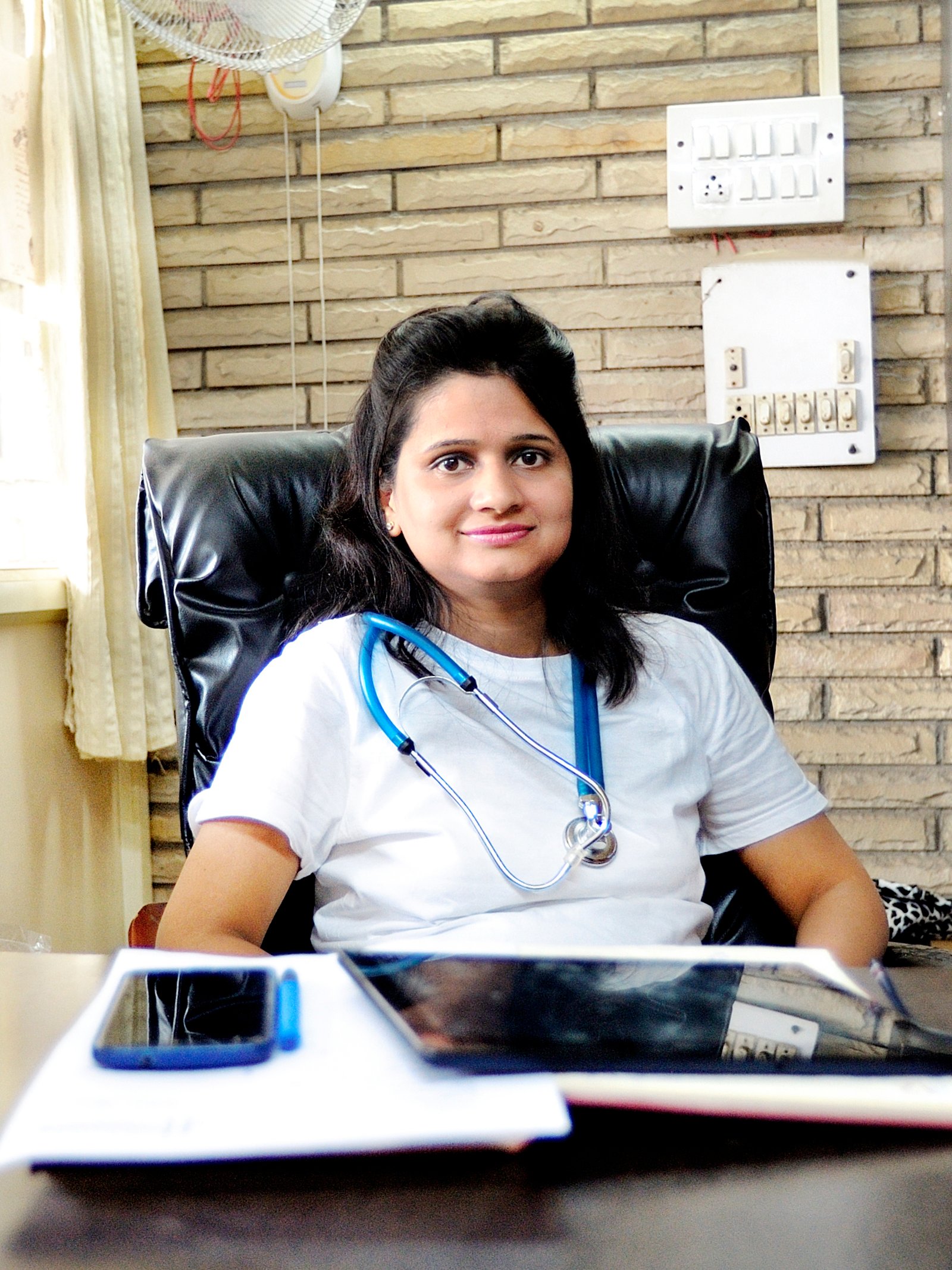
PCOD is one of the most common causes of subfertility, and also one of the most treatable. A diagnosis does not mean infertility. It means the reproductive system needs support to do what it is capable of doing. Book a consultation with Dr. Chhavi Bansal today.
Subfertility vs. Infertility: An Important Distinction
Infertility is defined as the inability to conceive after 12 months of regular unprotected intercourse. Subfertility describes reduced fertility, where conception is harder or takes longer than average, but remains possible. PCOD causes subfertility in most cases, not infertility.
The practical difference matters enormously. A woman with PCOD who has irregular cycles may ovulate 4 to 6 times a year instead of 12. Each of those cycles is a genuine opportunity. Improving ovulation frequency, identifying when it occurs, and preparing the body for a healthy pregnancy are all things that can meaningfully improve the outcome.
Ovulation as the Core Issue
The main mechanism by which PCOD affects fertility is oligo-ovulation or anovulation: infrequent or absent ovulation. In a normal cycle, a dominant follicle matures and releases an egg under the coordinated influence of FSH and LH. In PCOD, the hormonal imbalance, often combined with elevated insulin and androgens, disrupts this process. Multiple small follicles begin developing but none matures fully. The egg is never released.
Without ovulation, there is no egg available for fertilisation. Without ovulation, the uterine lining doesn't receive the progesterone signal that prepares it for implantation. Both the availability of an egg and the receptiveness of the uterine lining are affected.
- Check serum ferritin: below 70 ng/mL impairs implantation and early pregnancy
- Check TSH: thyroid should ideally be below 2.5 mIU/L when trying to conceive
- Start folic acid at least 3 months before trying: 400 to 800 mcg daily
- Track your cycle for 2 to 3 months to understand your actual pattern
- Get androgens and fasting insulin tested to understand your hormonal baseline
- Address any significant weight above your comfortable range, even 5 to 7% reduction helps
How to Track Ovulation With Irregular Cycles
Standard ovulation tracking assumes a 28-day cycle, which most women with PCOD don't have. Approaches that work better for irregular cycles:
Pregnancy Risks to Be Aware Of
Once pregnant, women with PCOD have a moderately higher risk of certain complications compared to the general population. These are manageable with appropriate monitoring, but knowing about them means the right care can be arranged from the start of pregnancy.
These risks are the reason for early disclosure of PCOD to your obstetrician at the first antenatal visit. Screening for gestational diabetes, for instance, may be arranged earlier than standard. None of these risks make pregnancy inadvisable; they make careful monitoring more important.
Weight, Lifestyle, and Fertility
In women with PCOD who are overweight, even a 5 to 10% weight reduction measurably increases ovulation frequency. This is because excess weight worsens insulin resistance, which raises androgens and further disrupts the hormonal signals needed for ovulation. Weight loss doesn't need to reach a 'normal' BMI to have an effect; the hormonal benefit often begins with the first 5 kg.
Consistent movement, reducing refined carbohydrates and sugar to lower insulin, adequate sleep, and stress management all contribute to a more favourable hormonal environment for ovulation. These are not optional lifestyle recommendations. They are the metabolic foundation on which conception becomes more likely.
The Role of Individualised Treatment
The homeopathic approach to PCOD and fertility is aimed at restoring normal hormonal communication, specifically the ovulatory signal that PCOD disrupts. Rather than stimulating ovulation pharmaceutically, the aim is to reduce the androgen and insulin resistance pattern that's preventing the body's own reproductive cycle from functioning. This is done alongside pre-conception nutritional preparation and lifestyle changes, with the goal of a healthy natural conception and a supported pregnancy.