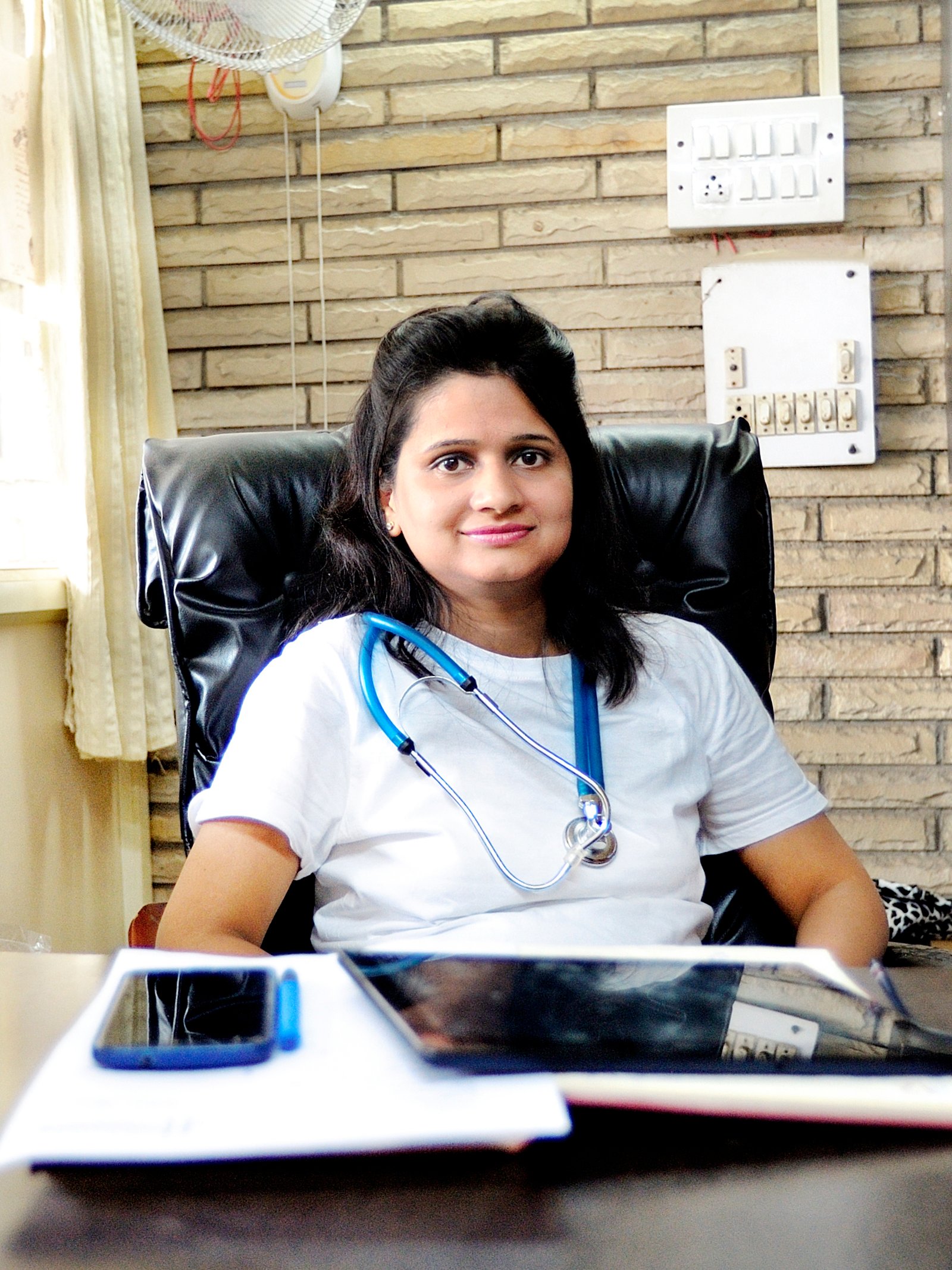
PCOD symptoms rarely arrive all at once. They build gradually, often dismissed as stress or lifestyle, until the pattern becomes clear. Understanding what you're actually looking at is the first step toward proper treatment. Book a consultation with Dr. Chhavi Bansal today.
Why PCOD Symptoms Get Missed Early On
Here's what happens most of the time. A period comes late, once, twice. Acne appears and gets blamed on diet. Some hair shows up on a pillow and everyone says it's seasonal. Weight creeps up despite no real change in eating. Each symptom on its own has a perfectly reasonable explanation. Together, they're telling a different story.
PCOD is a hormonal condition, and hormones affect nearly every system in the body. That's why the symptom list is so varied and why a lot of women spend years going to a dermatologist for the skin, a gynaecologist for the cycle, and a nutritionist for the weight, without anyone connecting the dots.
Early Signs to Watch For
These tend to show up first, sometimes years before a formal diagnosis:
Common Symptoms Across the Full Picture
Once PCOD is more established, the full symptom picture tends to include:
What People Often Get Wrong
The most common mistake is treating each symptom separately. Acne cream for the skin, a hormonal pill to regulate the period, a diet plan for the weight. It's not wrong exactly, but it doesn't address what's driving all of it. The underlying hormonal imbalance keeps going.
Another thing that gets missed: PCOD symptoms fluctuate. A few months of regular periods doesn't mean it's gone. Stress, a change in sleep, or weight shift can bring everything back.
- How long the hormonal imbalance has been present
- Which hormones are predominantly affected (androgens, insulin, oestrogen)
- How your body is responding to stress and lifestyle factors
- What the treatment approach needs to focus on for your specific case
When to Get Checked
Don't wait for every symptom on the list. If you've had irregular periods for more than three months, or if two or more of the symptoms above have been present for a while, it's worth getting assessed. Earlier treatment makes a meaningful difference to outcomes.
An ultrasound and basic hormone panel (LH, FSH, testosterone, insulin, thyroid) are usually the starting point. Dr. Chhavi will review whatever you already have.
How Homeopathy Approaches PCOD Symptoms
The goal isn't to suppress individual symptoms. It's to correct the hormonal environment that's producing them. That means looking at your complete symptom picture, including the ones that seem unrelated, because in PCOD they usually aren't.
Treatment is personalised to your specific pattern. Two women with PCOD can have very different presentations and need different approaches. See our full PCOD treatment page for how we approach this.