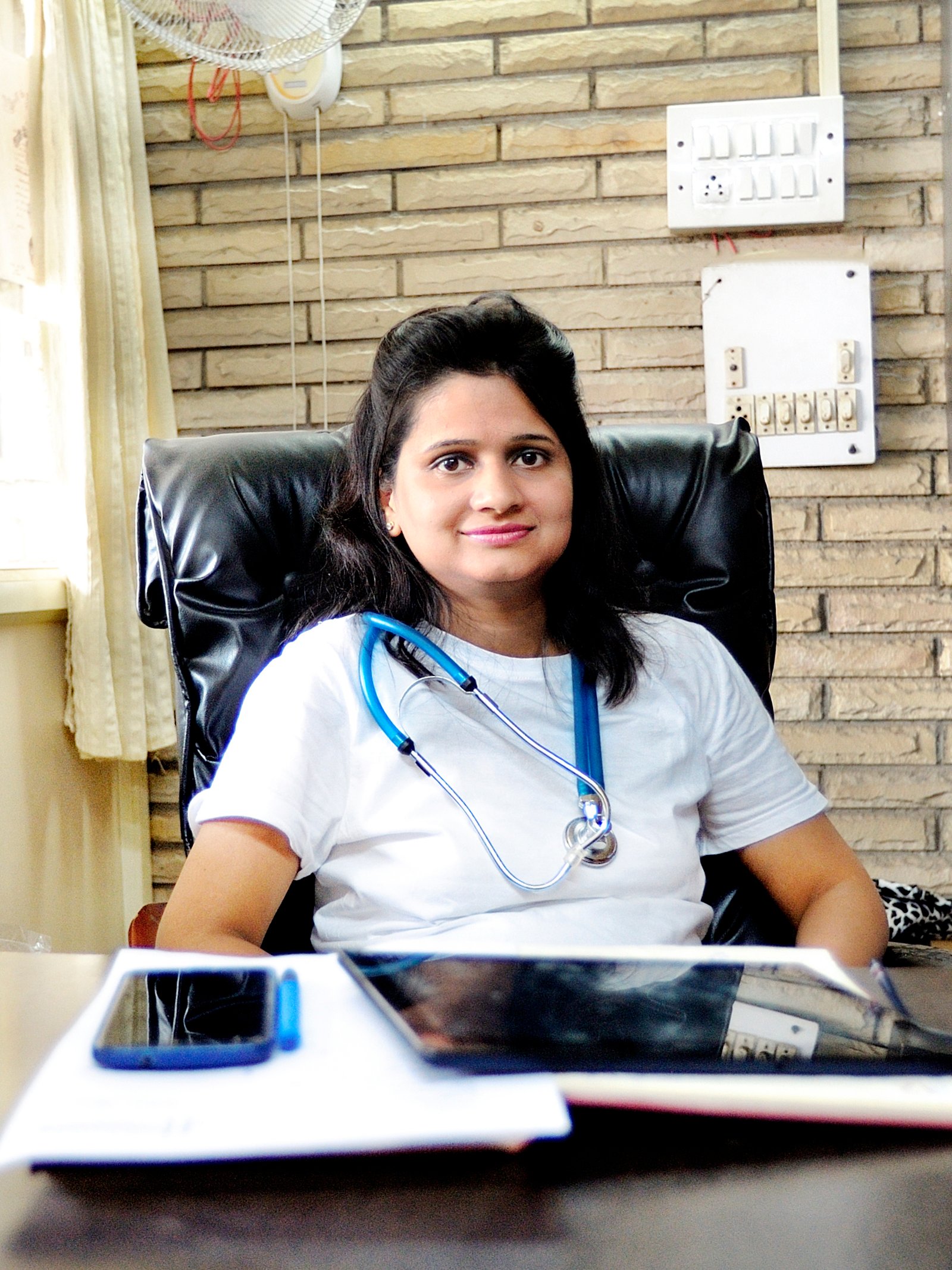
Lifestyle changes for PCOD have real, measurable effects on hormones, insulin sensitivity and cycle regularity. But the changes that help are often different from what most women try first. Book a consultation with Dr. Chhavi Bansal today.
Why Lifestyle Matters So Much in PCOD
PCOD is driven significantly by insulin resistance. And insulin resistance responds directly to how you eat, move and sleep. That's not a throwaway lifestyle tip. It means that the right habits can reduce androgen levels, improve ovulation frequency and make treatment work more effectively.
The problem is that most women with PCOD are given generic advice: lose weight, exercise more, eat less. That's not wrong, but it's incomplete and often discouraging. The specifics matter a lot more than the headline.
Exercise: What Actually Helps
Moderate, consistent movement is what the evidence supports. Not extreme workouts every day. Here's why that distinction matters: very intense exercise raises cortisol, and elevated cortisol worsens insulin resistance and hormonal disruption in PCOD. So going from sedentary to two hours at the gym daily can actually make symptoms worse initially.
- Brisk walking: 30 to 45 minutes most days is genuinely effective for insulin sensitivity. Underestimated because it sounds too simple.
- Strength training: 2 to 3 times a week. Building muscle mass improves how the body uses insulin and helps with weight management long term.
- Yoga: Particularly useful if stress is a significant driver. Reduces cortisol, supports the nervous system and is gentle enough not to spike stress hormones.
- Swimming or cycling: Good low-impact aerobic options for women who find weight-bearing exercise difficult or uncomfortable.
- What to avoid: Very high-intensity training every day, especially when you're just starting out or when your symptoms are active.
Diet: The Principles That Matter
No single PCOD diet works for everyone. But there are consistent principles that help because of how they affect blood sugar and insulin.
The goal is to avoid large insulin spikes throughout the day. Refined carbohydrates, white rice, maida, sugary drinks and packaged snacks cause rapid blood sugar rises that drive insulin up and feed androgen production. That doesn't mean cutting them out entirely. It means reducing frequency and balancing them with protein and fibre at the same meal.
- Reduce refined carbohydrates and sugar, especially between meals
- Include protein at every meal (dal, eggs, paneer, legumes, curd)
- Eat plenty of fibre through vegetables, whole grains and fruits
- Don't skip meals, which causes blood sugar crashes followed by spikes
- Reduce liquid calories: sweet chai, fruit juices, packaged drinks
- Eat dinner earlier if possible and keep it lighter than lunch
Sleep: The Overlooked Factor
Consistently poor sleep disrupts cortisol, raises appetite hormones and makes insulin resistance worse. Many women with PCOD report disturbed sleep, either from stress or because of the hormonal changes themselves. Treating sleep as seriously as diet and exercise makes a real difference.
Consistent sleep and wake times matter as much as duration. Going to bed and waking at the same time daily, including weekends, helps regulate the cortisol rhythm that affects hormonal balance.
Stress Management
Chronic stress keeps cortisol elevated. Cortisol worsens insulin resistance and can directly suppress ovulation. This isn't about eliminating stress, which isn't possible, but about building a consistent outlet. One thing you'll actually keep doing is worth more than an ideal routine you abandon after two weeks.
- Crash dieting or very low-calorie eating, which spikes cortisol and disrupts hormones further
- Excessive cardio without strength training, which can worsen the hormonal picture
- Skipping meals to control weight, which worsens insulin swings
- Relying on lifestyle changes alone when treatment is also needed
- Going all-in and burning out after two weeks, rather than building sustainable habits
How Homeopathy Works Alongside Lifestyle
Lifestyle changes reduce the inputs that keep PCOD going. Treatment works on the hormonal system that's been disrupted. Both are needed for most women. Dr. Chhavi Bansal gives specific lifestyle guidance as part of every consultation, tailored to your pattern and what's realistic for your situation. See the full PCOD treatment approach.