Seborrhoeic dermatitis is a common skin condition causing greasy, flaking, red patches, usually on the scalp, around the nose, eyebrows and chest, areas with more oil glands. It tends to flare and settle in cycles. Homeopathic treatment works on the underlying tendency behind those flares. Book a consultation with Dr. Chhavi Bansal today.
What is Seborrhoeic Dermatitis?
Seborrhoeic dermatitis affects areas of the skin with more active oil glands, the scalp, the sides of the nose, eyebrows, ears, and sometimes the chest. It causes redness and a distinctive greasy, yellowish flaking that's different from ordinary dry-skin dandruff.
On the scalp it's often simply called dandruff, though the two aren't quite the same thing. Seborrhoeic dermatitis tends to be more persistent, with visible redness underneath the flaking, and it's driven by a specific combination of oil production and a yeast that naturally lives on everyone's skin.
Here's what a lot of people don't realise. It's not caused by poor hygiene, and washing more aggressively often makes it worse, not better, by irritating already sensitive skin. The condition has its own cycle of flaring and settling that's largely independent of how often you shampoo.
Symptoms of Seborrhoeic Dermatitis
Causes of Seborrhoeic Dermatitis
- Malassezia yeast : a yeast that lives naturally on everyone's skin, but seems to trigger an inflammatory response in those prone to this condition
- Oil gland activity : areas with more active sebaceous glands are most affected
- Stress : a well-recognised trigger for flare-ups
- Cold, dry weather : many patients notice a clear winter pattern
- Hormonal changes : can influence oil production and flare frequency
- A genetic tendency : it often runs in families alongside eczema and psoriasis
If Seborrhoeic Dermatitis is Left Untreated
- Persistent flaking that becomes socially uncomfortable
- Secondary skin irritation from scratching
- Spreading to a wider area over repeated flares
- Ongoing reliance on medicated shampoos without addressing the underlying tendency
How Homeopathy Treats Seborrhoeic Dermatitis
Anti-fungal and medicated shampoos calm the yeast temporarily, and they're a reasonable part of day-to-day management. The trouble is they don't change the underlying tendency, so most people find they need to keep using them indefinitely, or the flaking returns within weeks of stopping.
Homeopathy works on that tendency directly, based on your constitution, aiming to reduce how often and how severely flares occur, rather than managing symptoms shampoo wash by shampoo wash.
- Works on the constitutional tendency behind repeated flares
- Aims to reduce flaking, redness and itching over time
- Addresses stress as a contributing trigger where relevant
- Can be used alongside any medicated shampoo you're currently using
- No side effects, gentle and long-term appropriate
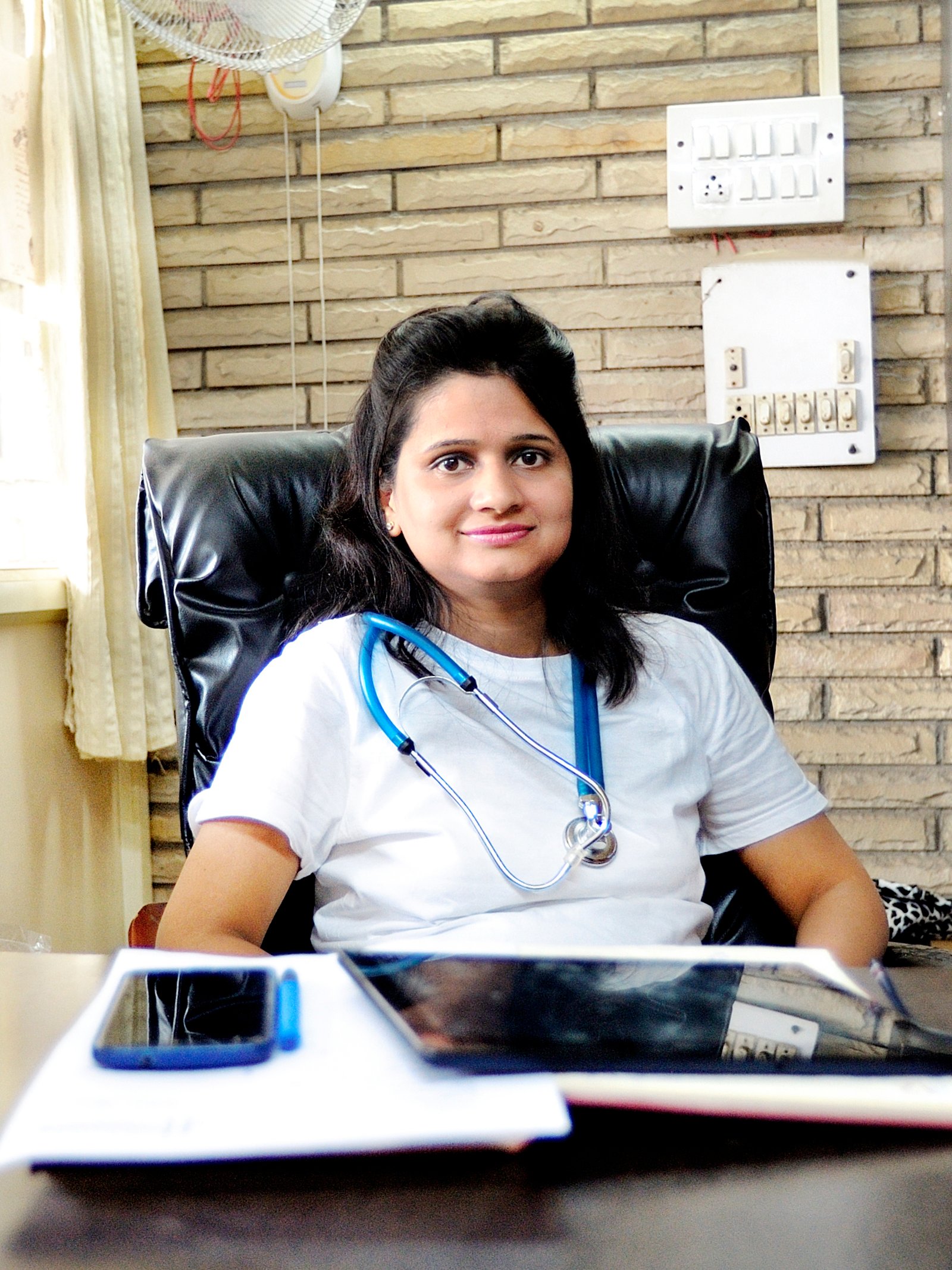
The treatment is completely personalised. Dr. Chhavi Bansal looks at where your flares appear, what seems to trigger them, your stress levels and skin type, then prescribes a remedy specific to your constitution.
Dr. Chhavi's Approach to Seborrhoeic Dermatitis
She'll ask about your washing routine and product use, not to blame it, but because gentle adjustments alongside treatment genuinely help calm the skin faster.
Alongside the medicine, she'll guide you on simple, non-aggressive skin and scalp care, since over-washing or harsh products often work against recovery rather than for it.
One honest note. If flaking spreads well beyond the usual areas, or the skin becomes very red and painful rather than just flaky, that's worth an in-person look to rule out anything else going on.